Summer in Timbavati:
Safari, Wildlife & Tips
Safari experiences to look forward to
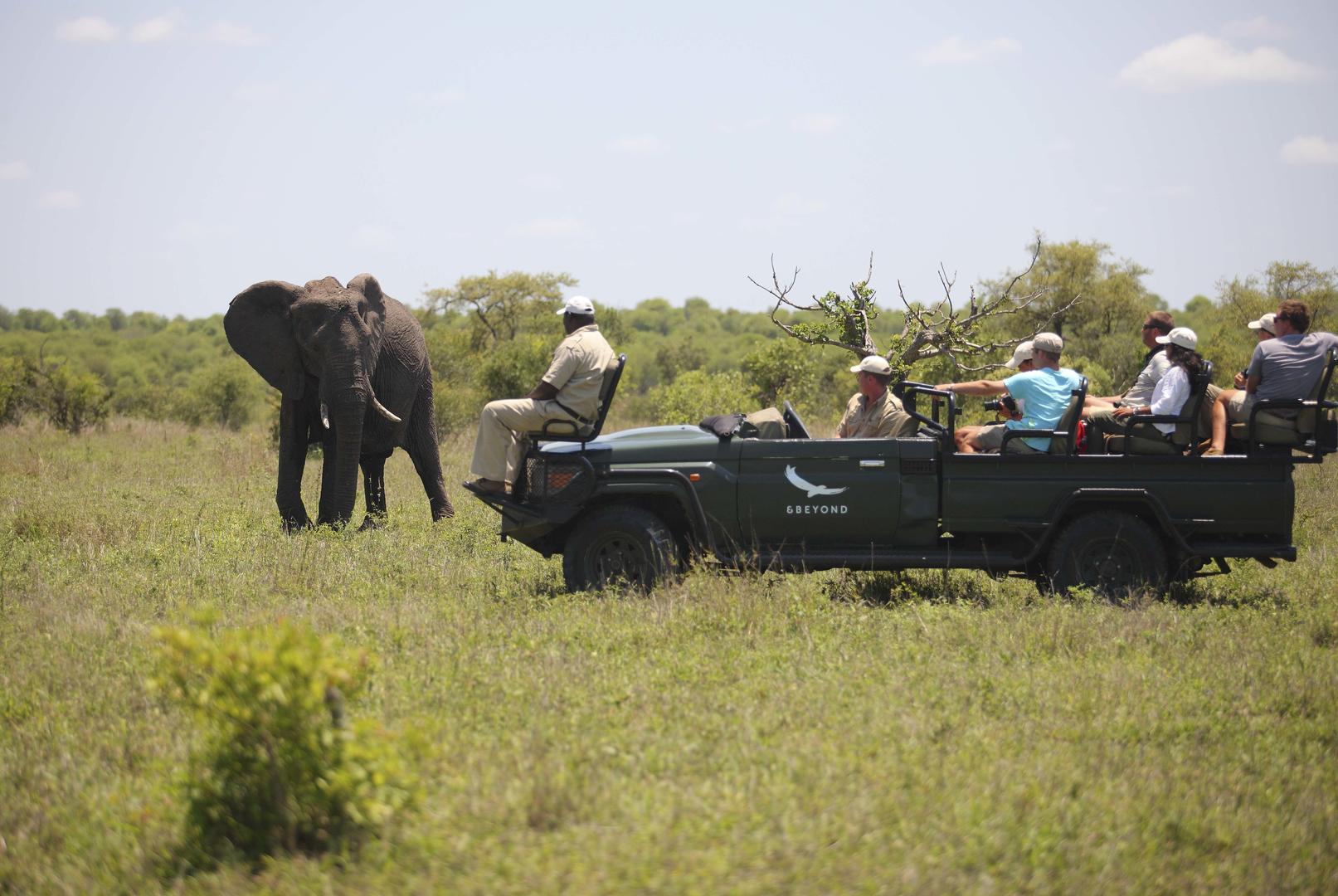
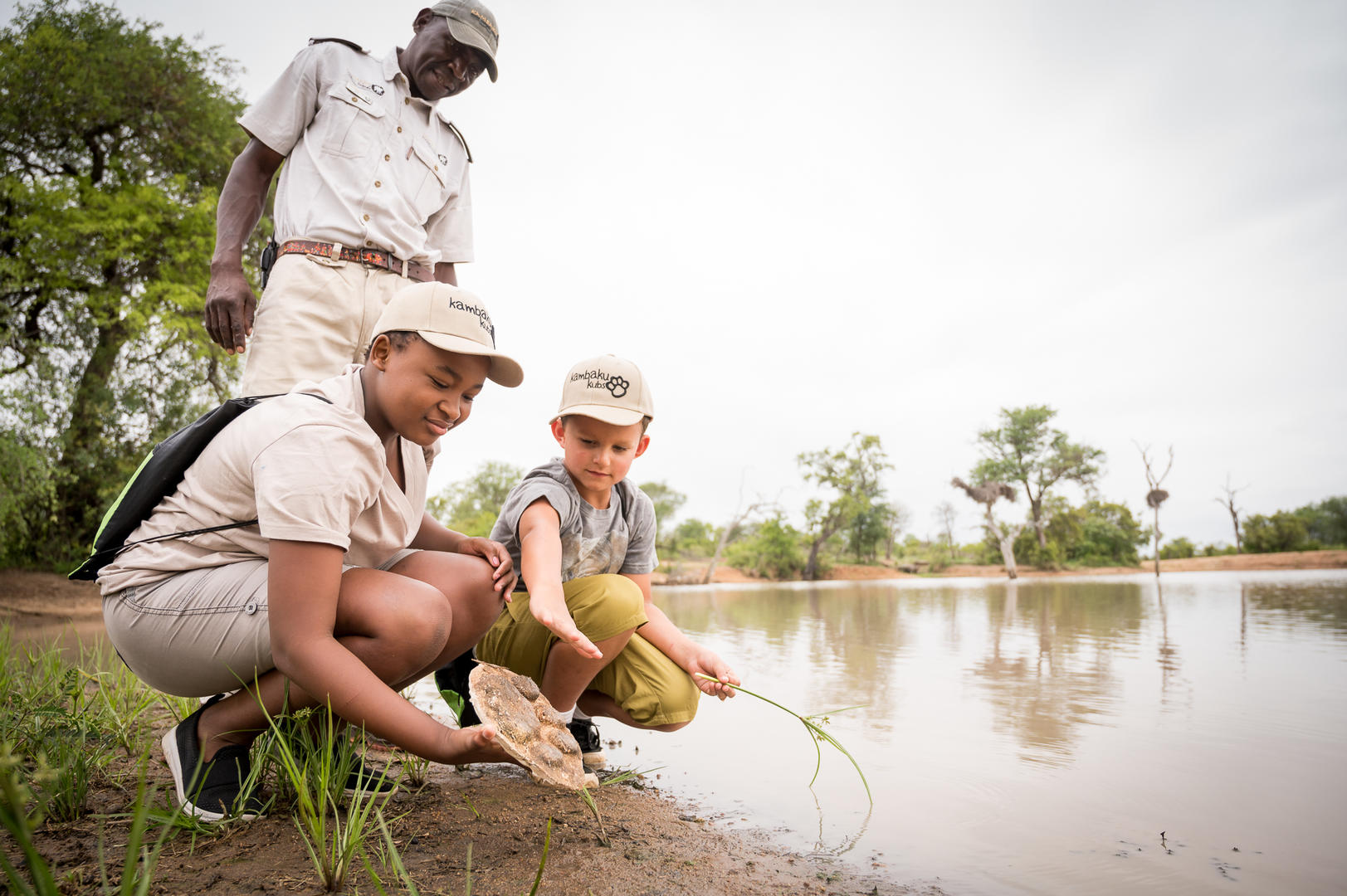
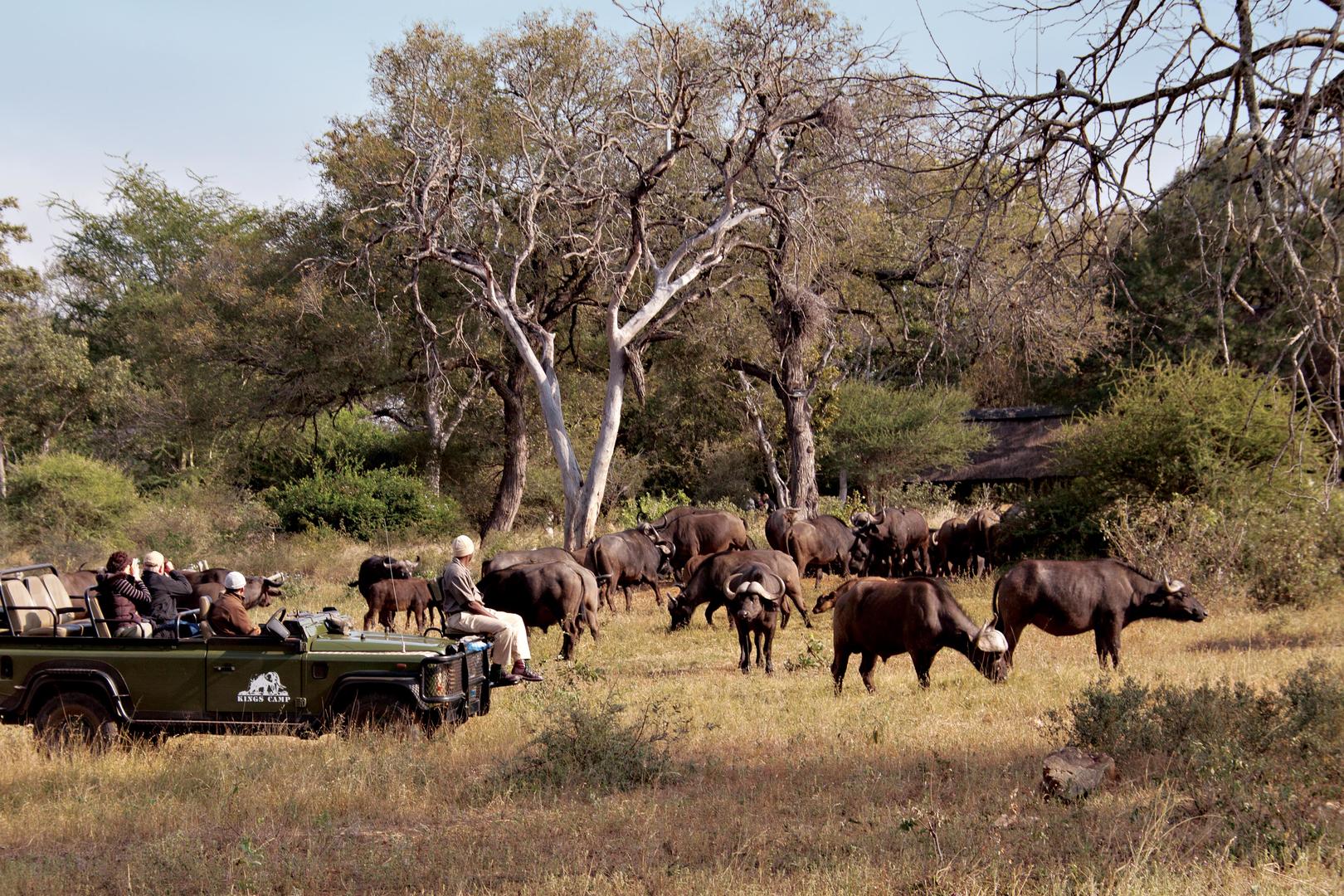
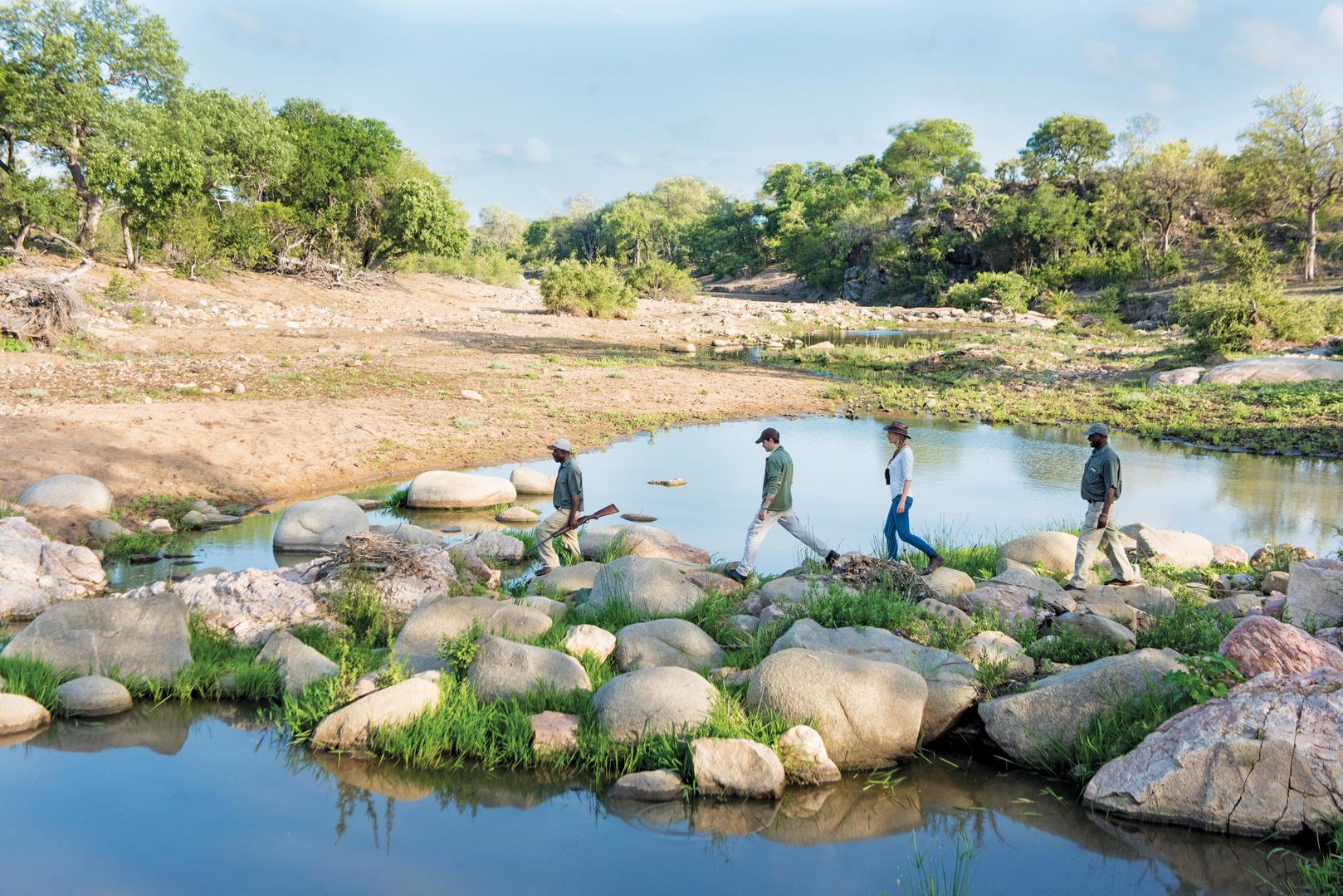
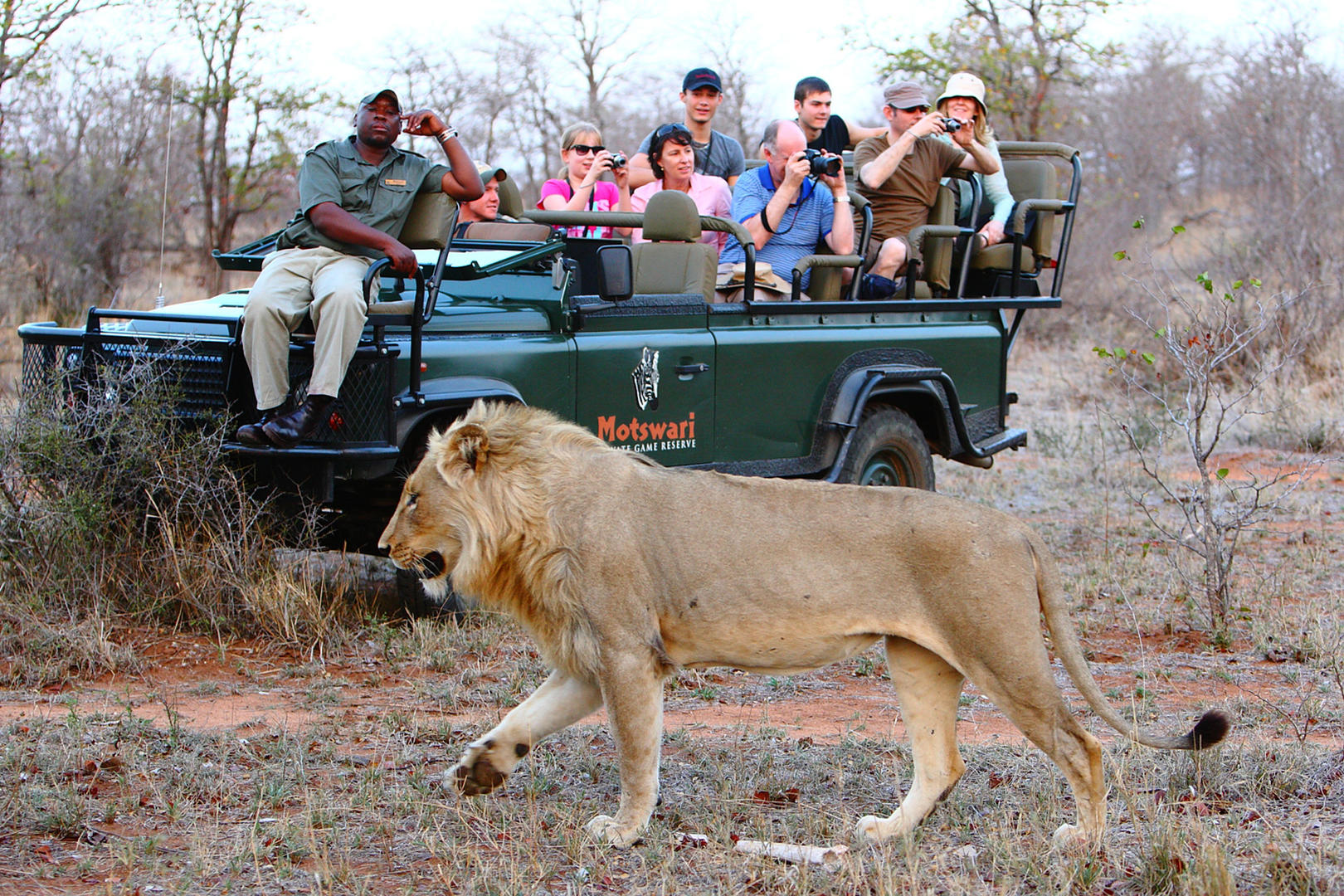
Timbavati offers a variety of safari experiences to suit every traveller. During summer (November–March), animals are more active, making morning and evening game drives especially rewarding. Knowledgeable guides help you track elusive species and explain behaviour and habitats. For a closer look at the bush, book a walking safari; the sights and sounds of summer mean every step can lead to a memorable discovery.
Good weather vibes
Timbavati’s summer (November–March) brings warm days, frequent sunshine, and occasional afternoon thunderstorms. Daytime highs average around 30∘C (86°F), while nights are noticeably cooler. Summer rains are vital for the ecosystem — they replenish water sources and turn the reserve lush and green.
Some great tips for your safari
Stay hydrated: carry water during drives and walks.
Dress appropriately: light, breathable clothing and supportive shoes are essential for walking safaris.
Sun protection: wear sunglasses, a wide-brimmed hat, and sunscreen.
Prepare for rain: pack a lightweight rain jacket or poncho for sudden storms.
Health and safety: consult your doctor about malaria prophylaxis and follow ranger guidance regarding wildlife safety.
Photography tips: bring a telephoto lens (200–600mm recommended), extra batteries, and a lens cloth for dust.
Astonishing wildlife sightings and photography opportunities
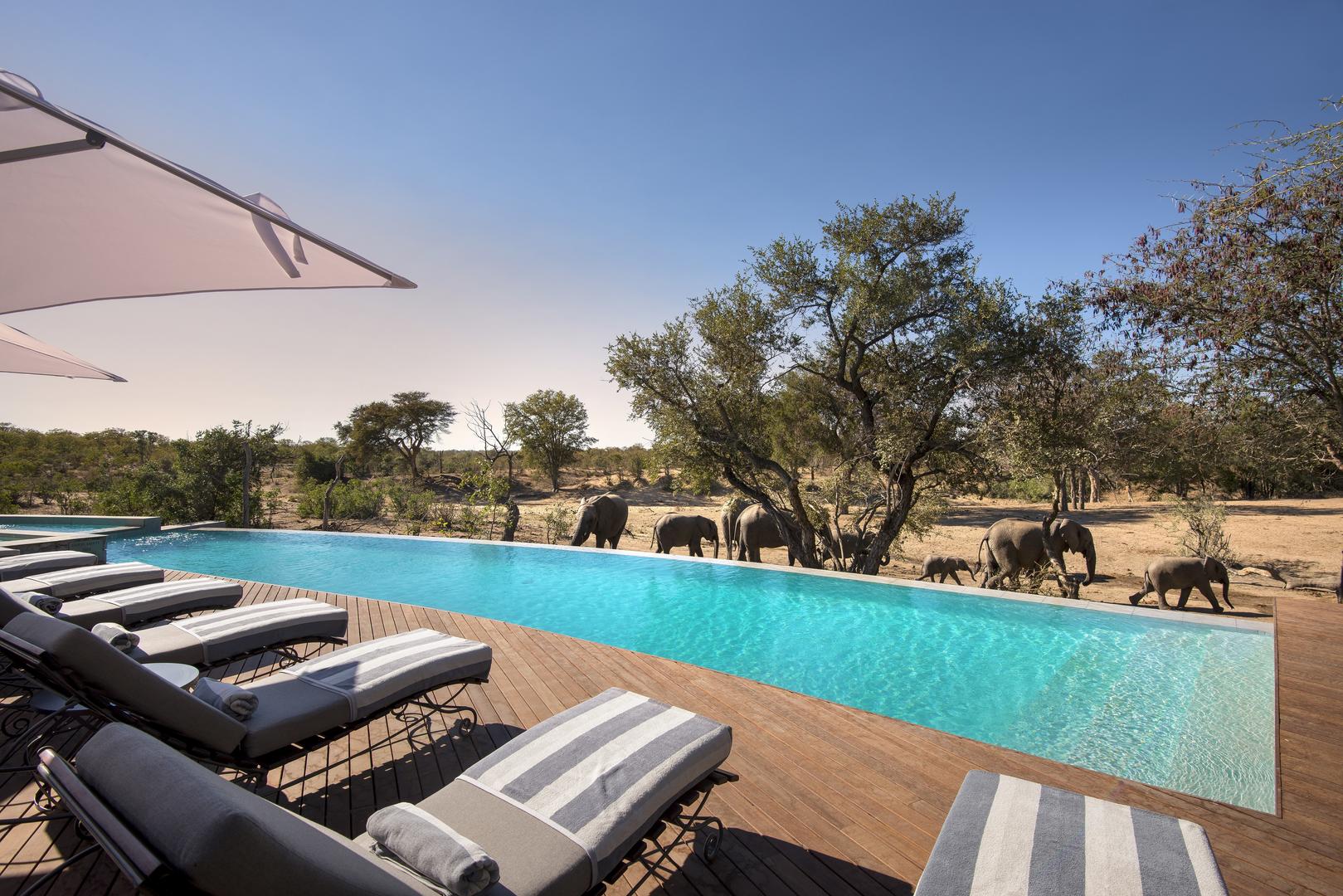
Summer is prime time for wildlife viewing. With abundant food and water, animals are active and often easier to spot as they gather at waterholes. The Big Five — lions, leopards, elephants, buffalo, and rhinos — are commonly seen during this season. Migratory animals and a diverse range of bird species also arrive or become more visible, making summer particularly rewarding for birdwatchers and wildlife photographers. For photography, aim for the golden hours around sunrise and sunset for the best light and animal activity.
Experience the South African culture
Summer is an excellent time to connect with local culture. Communities in and around Timbavati host traditional festivals and cultural tours during this season. Join guided village visits to learn about crafts, customs, and the deep relationship local people have with the land and wildlife.
Beautiful plant life
When the summer rains arrive the dry Timbavati landscape transforms. The bushveld springs to life with wildflowers and lush grasses that create stunning photographic backdrops. Iconic trees such as acacia and baobab flourish, providing shade and food for wildlife. This seasonal flush also supports insects and birds, boosting overall biodiversity.
FAQ
QUESTION
What makes summer a good time to visit Timbavati?
ANSWER
Summer brings warmer weather, active wildlife, and lush scenery after the rains, which makes it a rewarding time for game drives and photography.
QUESTION
Can I do walking safaris during summer?
ANSWER
Summer brings warmer weather, active wildlife, and lush scenery after the rains, which makes it a rewarding time for game drives and photography.
QUESTION
What wildlife can I expect to see in summer?
ANSWER
Timbavati is known for Big Five game viewing, and summer also brings excellent bird activity and healthier, greener landscapes that support a wide range of species.
QUESTION
How can I make the most of a summer safari?
ANSWER
Book early game drives, use an experienced guide, stay hydrated, and keep your camera ready during the early morning and late afternoon when wildlife activity is often strongest.
QUESTION
What should I pack for a summer safari?
ANSWER
Pack light, breathable clothing, supportive shoes, sun protection, water, and a rain jacket or poncho so you are prepared for heat and sudden showers.
QUESTION
Does summer rain affect safari experiences?
ANSWER
Summer showers are usually brief and often come as afternoon thunderstorms, so they can refresh the landscape without stopping safari activities for long.
Timbavati Nature Reserve - Gallery